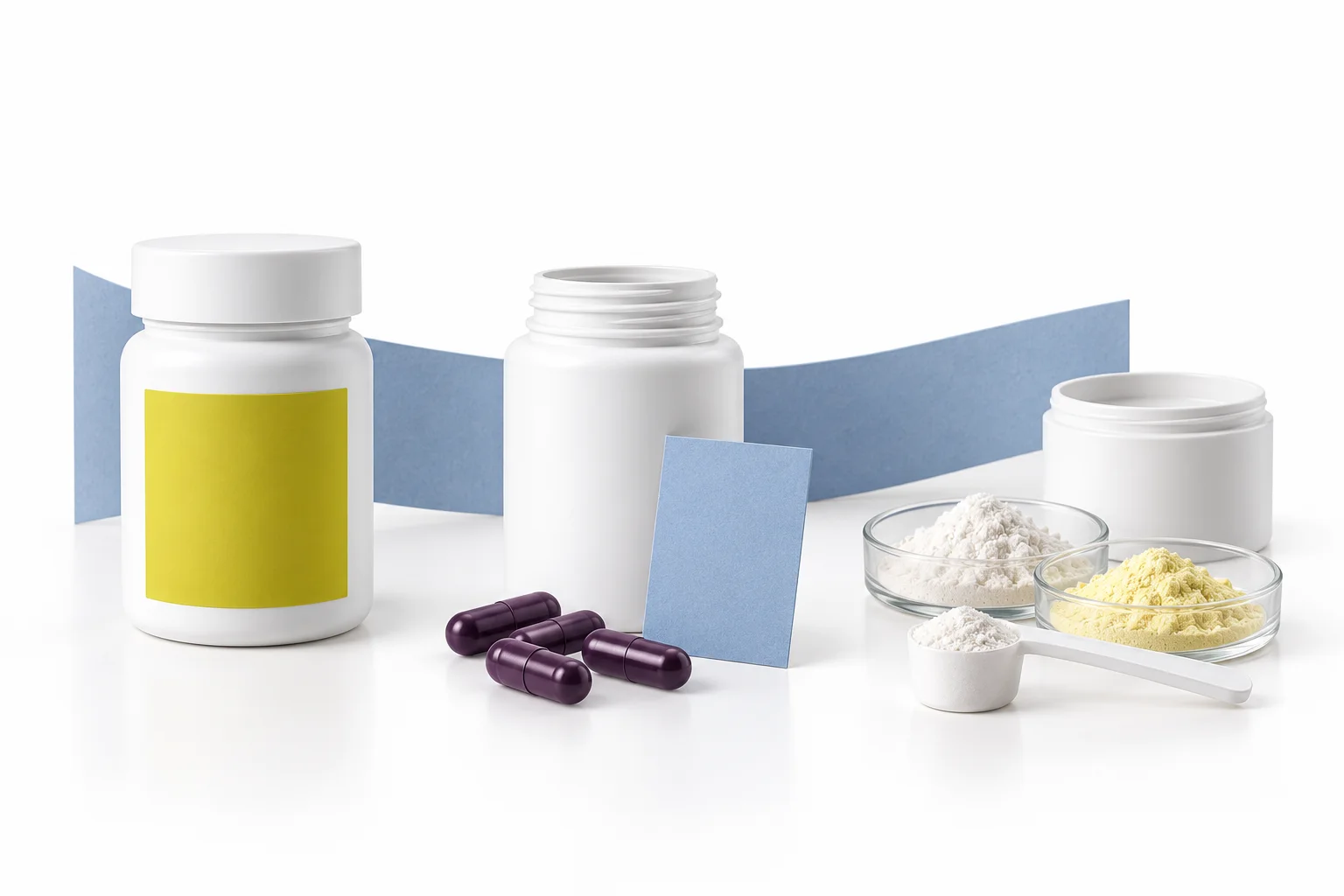

A supplement with your logo on the bottle can be made by another company. You choose what to sell and commission a manufacturer to supply it under your brand. The manufacturer may provide an existing formula or help develop a new one, then produce and pack the order.
You can therefore start without manufacturing equipment or a team of formulation scientists. You still need customers, money to pay for stock and a clear understanding of what your supplier is delivering.
What you buy from the factory
The simplest arrangement starts with a product the supplier already makes. You select the formula, agree on packaging and provide your branding. Other businesses may sell the same formula under different names.
If an existing product does not meet your requirements, you can discuss an adaptation or commission development. A change to the flavour or ingredient amount may affect manufacturing and testing, so even a modest adjustment needs a new assessment.
Suppliers commonly describe these services as white label, private label and custom manufacturing. Their definitions vary. During the first conversation, establish whether you are buying an existing product or paying to develop one, and whether the order includes labelled retail packs or bulk product for packing elsewhere.
Start with a brief a supplier can answer
A manufacturer needs enough detail to judge feasibility and prepare a useful quote. You do not have to arrive with a finished recipe.
For example, an initial brief might say:
We plan to sell a capsule supplement through our own online shop in one EU country. We want an existing formula, 60 capsules per bottle and standard packaging with our label. Please quote the smallest available order and the next quantity tier. Identify the testing, label review and delivery included.
This is an illustrative brief, not a product recommendation. It leaves the formula open while defining the service required. Add the intended customer, any ingredient requirements, your budget and the actual country of sale before using it.
The sales country belongs in the first enquiry. A formula or label suitable for one market may need further work before it can be sold in another.
Work out who will buy the first batch
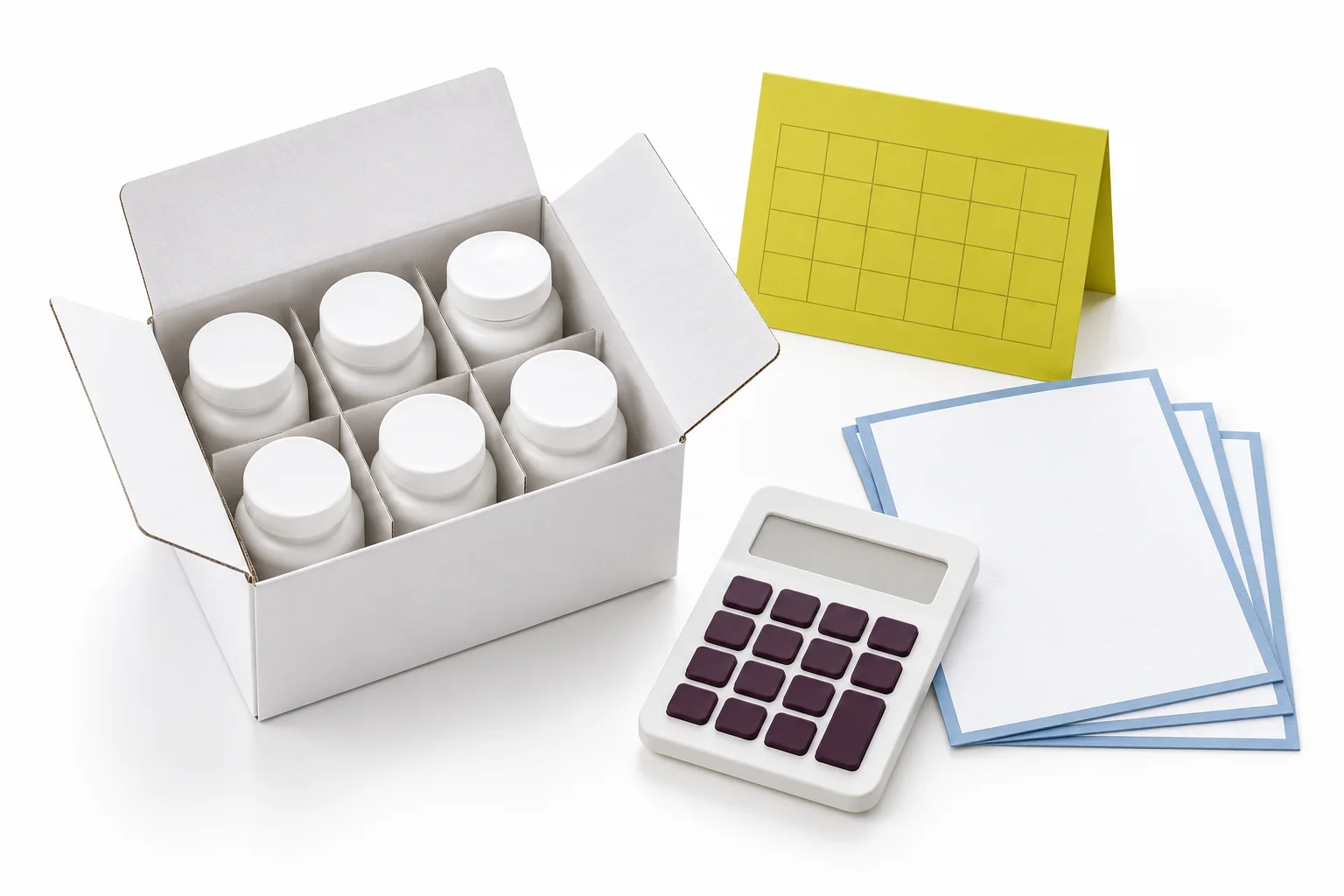
A shop with existing customers can use its sales history to judge interest in an own-brand product. A new business has less evidence. Before ordering, decide where customers will find the product, why they would choose it and how much it will cost to reach them.
That decision affects the order size. A lower price per bottle can be attractive, but buying twice as much stock also means funding and storing it. Shelf life continues to pass while you look for buyers.
Keep the first range manageable. Each additional formula can bring another minimum order, label and set of product documents. Starting with one product allows you to learn from actual sales before committing to several batches.
From quotation to finished stock
Once a supplier has a suitable proposal, review the product and the written specification together. A sample shows qualities such as taste, texture and appearance. The specification records what the commercial batch is supposed to contain and how it will be supplied.
Find out whether the sample is an existing stock product or a development sample. For custom work, agree how many revisions are included and what approval commits you to.
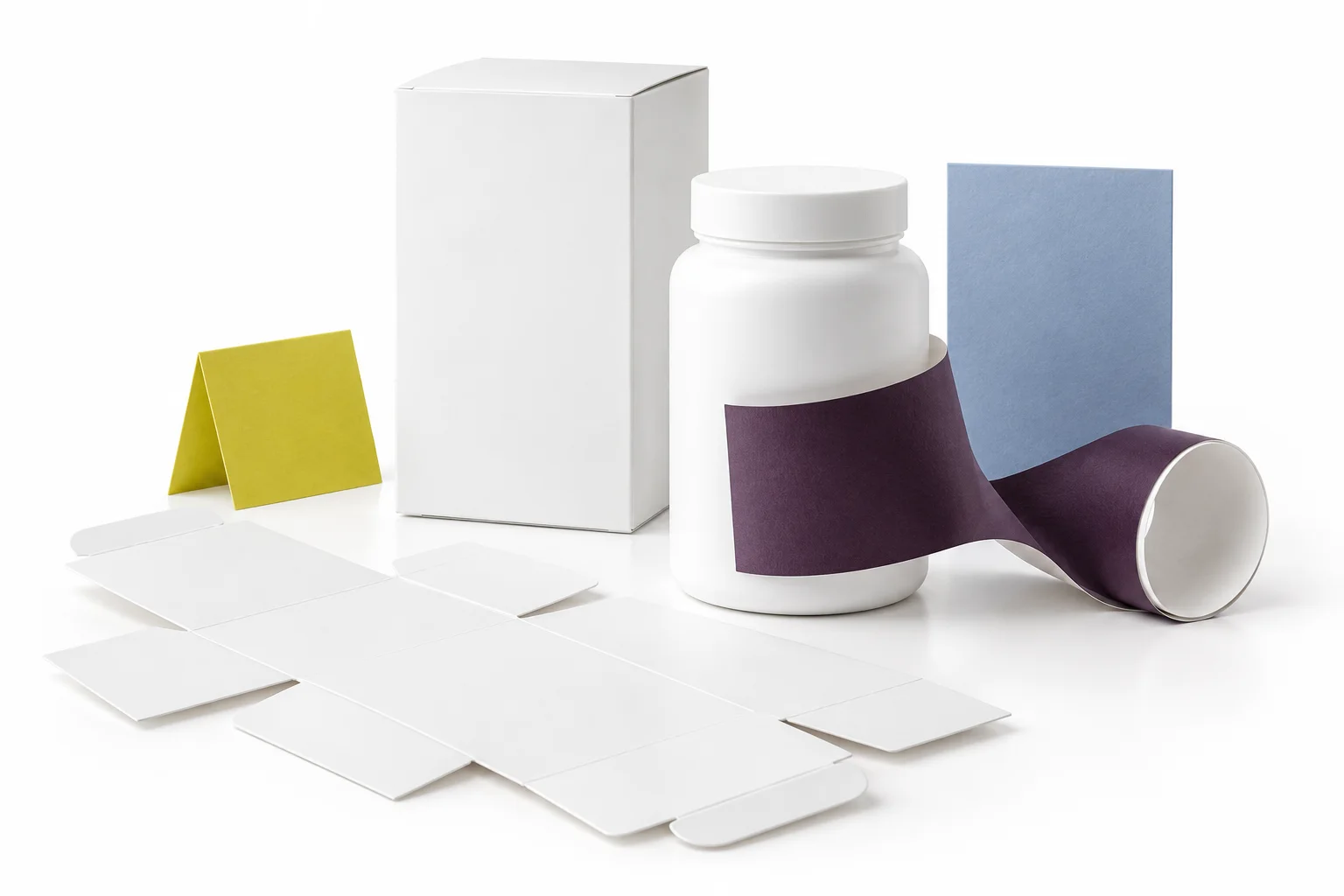
Before production, the paperwork should identify the formula, pack contents, packaging, quantity, testing and price. Approved artwork needs its own version record. If the supplier later proposes a different ingredient or container, there should be an agreed process for reviewing that change.
The delivery schedule also needs a starting point. A quoted production period may begin only after payment, artwork approval and material availability. Establish when the goods will be released after testing and when they are expected to reach your warehouse.
The work that stays with your business
Your supplier may offer label checks, regulatory documentation and notification support. Get the actual deliverables in writing. Someone must remain responsible for confirming that the product can be sold in its destination market and that the advertising is appropriate.
In the EU, outsourcing manufacture does not remove the obligations of businesses placing food supplements on the market. Your exact duties depend on your role and the countries involved.
You will also need a way to handle customer questions and complaints, identify batches and organise repeat orders. Keep the approved specification, artwork and batch documents accessible after launch.
For the budget, separate the factory order from the cost of selling it. Freight, storage, fulfilment, marketing and a deposit on the next order can all require cash before the first batch has sold through.
A useful first step is to write the product brief and request quotations for finished packs delivered to the same destination. Those replies will tell you which version of the idea you can afford and what remains to be done before a launch date is credible.
Scope and sources
This guide focuses on the business model and EU market considerations. Services differ by supplier; requirements must be checked for the actual product and sales country.